
Following the formal establishment of the Astrotourism Place Lab in Jelsa, a HOW–NOW–WOW workshop was held on the same day, 28 April 2026, at the Municipal Hall in Jelsa, as part of the MedSkyTour project (Interreg Euro-MED). The workshop was facilitated by Dr Katarina Miličević from the consulting firm Tourism Lab, and brought together 15 participants from all four pillars of the Quadruple Helix model: local and regional government, the business sector, the academic community, and civil society.
The aim of the workshop was to define opportunities for the development of new tourism services in the Jelsa destination linked to stargazing. In the introductory part, participants were presented with the concept of astrotourism, market trends related to sustainability, digital detox and authentic experiences, and the natural assets of Jelsa as a destination — areas with low levels of light pollution such as Humac, Polje, Poljiča, Pitve and Svirče, stargazing sites at the peaks of Sv. Nikola and Hum, and cultural heritage sites including the ancient towers of Tor and Galešnik.
This was followed by an inspirational session featuring examples of successful astrotourism services from across Europe and the world, including Kielder Observatory in England, Pic du Midi in France, the Dark Sky Alqueva Reserve in Portugal, and La Palma Stars in the Canary Islands.
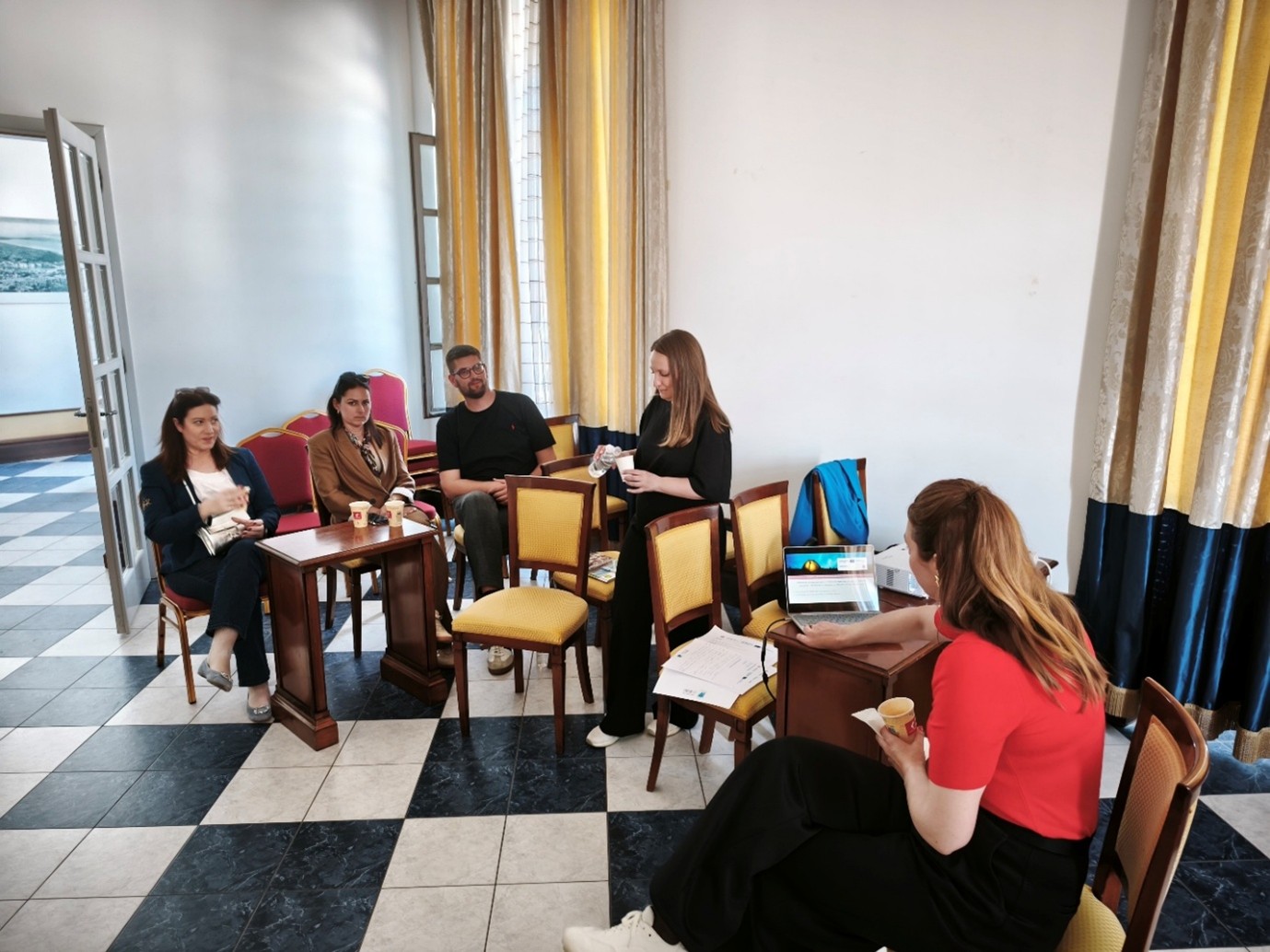
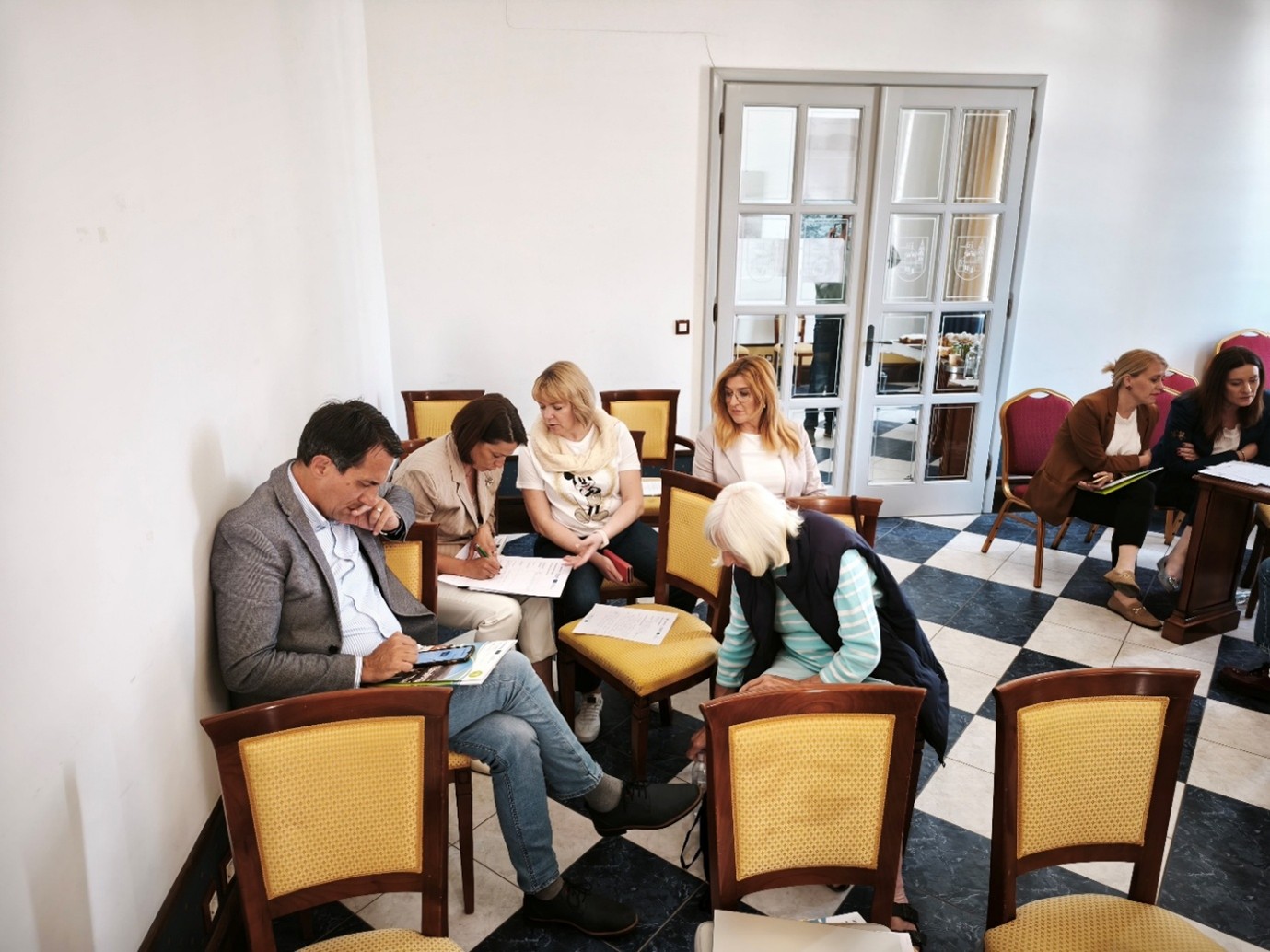
Participants then worked in groups to define challenges and opportunities for developing new services in the destination, and in the idea-generation phase produced around ten proposals, which were categorised using the HOW–NOW–WOW method.
Among the NOW ideas — those that can be implemented quickly with minimal investment — the following were highlighted: guided tours for observing the Perseids, wine tastings under the night sky, children’s photography groups for capturing the night sky, and educational picture books about stars. Identified as HOW ideas, which are highly original but currently more difficult to implement, were a mobile observatory, an educational programme for children on navigating by the stars, and biodynamic agriculture.
Two priority WOW concepts were selected for further development. The first is stargazing and bioluminescent plankton tours on the open sea — a multi-sensory experience combining the brilliance of the night sky with the magical glow of plankton, leveraging Jelsa’s maritime position to create a premium night excursion for environmentally conscious travellers. The second is meditation and spirituality under the night sky — a service that responds to growing global demand for wellness and slow tourism, transforming stargazing into a therapeutic experience with minimal initial investment.
Initial prototypes were developed for both concepts using the Idea Canvas template. The Jelsa Municipal Tourist Board assumed a coordination role in the future work of the Astrotourism Place Lab, while the Municipality of Jelsa committed to integrating astrotourism into its strategic development plans. The next steps envisaged are the validation of ideas, the development of pilot projects, and inclusion in future project initiatives.